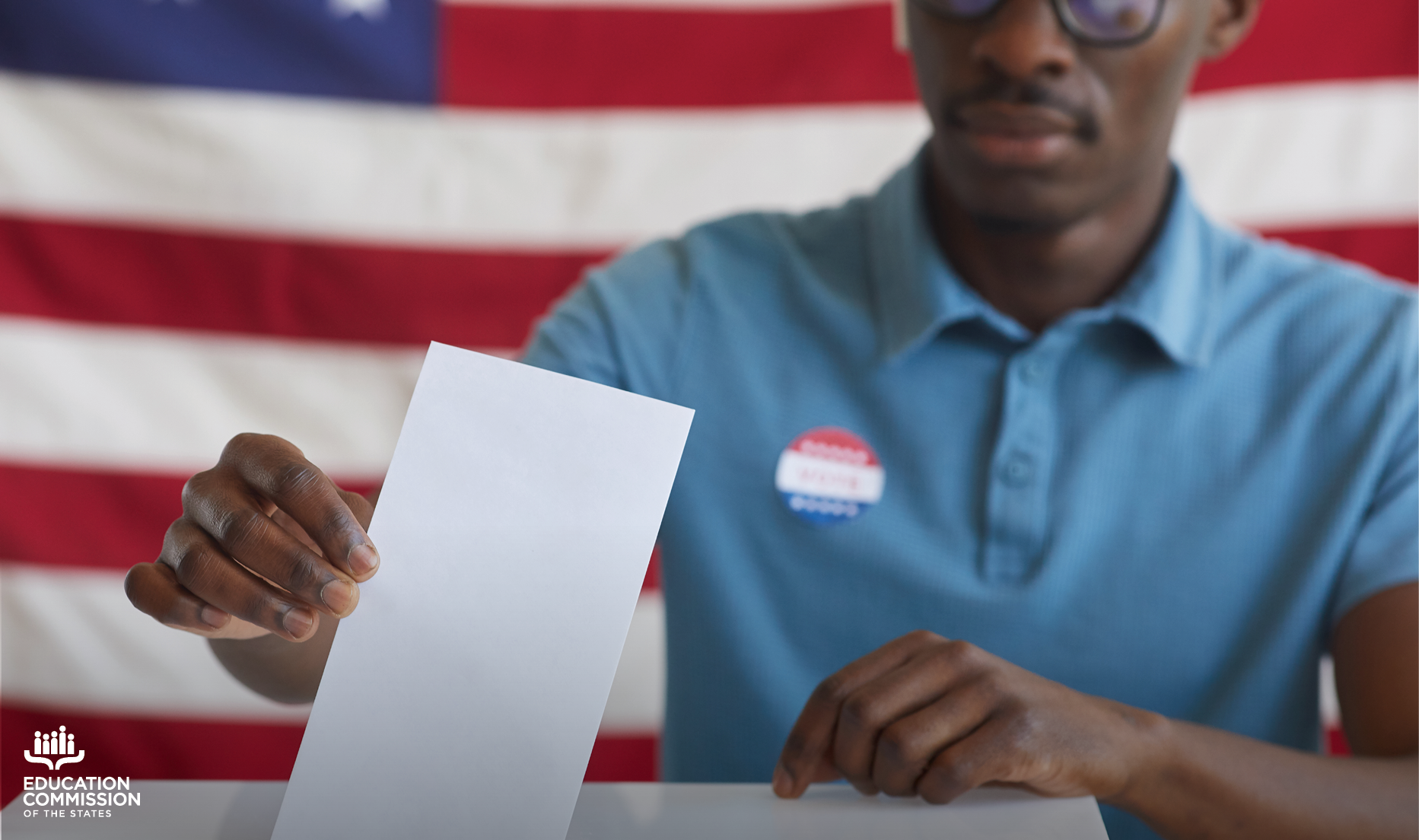
Off-year elections may have been fewer in number, but their impact on education policy is far-reaching. In New Jersey, Virginia and states with targeted initiatives, these races will shape education leadership appointments, funding decisions and legislative priorities. These contests also provide a critical preview of national trends heading into the 2026 elections when 36 gubernatorial races and numerous state education posts will take center stage.
Gubernatorial Races
In New Jersey, Governor-elect Mikie Sherrill defeated former Assemblyman Jack Ciattarelli in a competitive open race in a state where the governor appoints the state’s education commissioner, its state board of education and secretary of higher education. Gov.-elect Sherrill campaigned on early education access, student mental health supports, universal school meals, and expanding career pathways and apprenticeships. Ciattarelli’s campaign prioritized funding reform, charter school expansion, parents’ rights and pension reform.
In Virginia, Governor-elect Abigail Spanberger defeated Lieutenant Governor Winsome Earle-Sears in another open race. Like New Jersey, Virginia’s governor appoints both a state superintendent of education and the members of the state board of education. Gov.-elect Spanberger will also appoint a cabinet-level secretary of education. Spanberger’s education priorities include updating state accountability and standards, teacher supports, student safety and wraparound services, and postsecondary affordability and access. Lt. Gov. Earle-Sears’ education priorities primarily related to parents’ rights and women’s sports.
Nationally, these races reduced the gap in the 50-state gubernatorial split to 26 states led by Republicans and 25 by Democrats including the District of Columbia, which amplifies the trends nationwide.
Legislative Races
The New Jersey Assembly and Virginia House of Delegates each held full-chamber legislative contests.
In the New Jersey Assembly, Democrats, who held a 52-28 majority, maintained control amid Republican challenges in suburban districts. Education funding, property taxes and school safety legislation will likely be their top issues in the coming legislative session.
Virginia’s House of Delegates saw Democrats, who held a narrow 51-49 majority, expand their majority to at least 64 seats through sweeping gains in battleground districts. This expanded control is likely to shape issues including school board oversight, teacher salaries and education budgets. Various seats were also up for special elections in Minnesota, Mississippi, New Hampshire, Texas and Washington though these had no impact on chamber leadership.
Ballot Measures
Although Louisiana voted on an education measure in March, Colorado was the only state to hold measures with direct implications for education in November. Both measures passed and include:
- Proposition LL. This measure allows the state to retain $12.4 million (plus interest) from a previous initiative to fund school meals and public education programs.
- Proposition MM. This measure limits certain income tax deductions for individuals earning more than $300,000 annually, which will generate $95 million annually for universal school meals.
State Boards of Education Races
Washington held indirect elections for two seats on its State Board of Education, which are selected by school directors. Nonprofit leader Angela Griffin retained her seat with 62% of the vote, and educator Van Cummings will be sworn into an open seat with 51% of the vote.
Maryland will also be selecting a new teacher member of its state board of education to be elected by certified educators.
Looking Ahead to 2026
With 36 states and the District of Columbia holding gubernatorial races (with at least 16 term-limited governors), 2026 is set to be another consequential year.
- Forty-six states and the District of Columbia will hold legislative elections that total at least 6,122 legislative seats up for a vote.
- Seven states — Arizona, California, Georgia, Idaho, Oklahoma, South Carolina, North Dakota and Wyoming — will hold direct elections for their chief state school officers.
- Higher education boards with elections in 2026 include:
-
- The Colorado State Board of Regents.
-
- The University of Michigan Board of Regents.
-
- The Michigan State University Board of Trustees.
-
- The Wayne State University Board of Governors.
-
- The Nebraska State Board of Regents.
-
- The Nevada System of Higher Education Board of Regents.
These results will soon shape key leadership appointments, funding decisions and policy priorities. From Colorado’s school meal initiatives to leadership changes in New Jersey and Virginia, these outcomes will reverberate in classrooms and on campuses. Our team at ECS remains committed to tracking these shifts, providing policymakers and stakeholders with clear, actionable insights into education governance and trends.